
Kilchberg, 28 October 2026
Vasyl Ivanchuk and a losing “!” move at the Chess World Cup 2011
Occasionally I find out that web pages I used to like are no more online. Today I’ll recall from the oblivion a tiny fragment of the lost Internet.
The topic is the 2011 Chess World Cup. It was one of the first chess events that I followed, shortly after my passion for chess started. When I had time, I would follow the games live, with the coverage provided by Chess Tempo and Chessbomb.
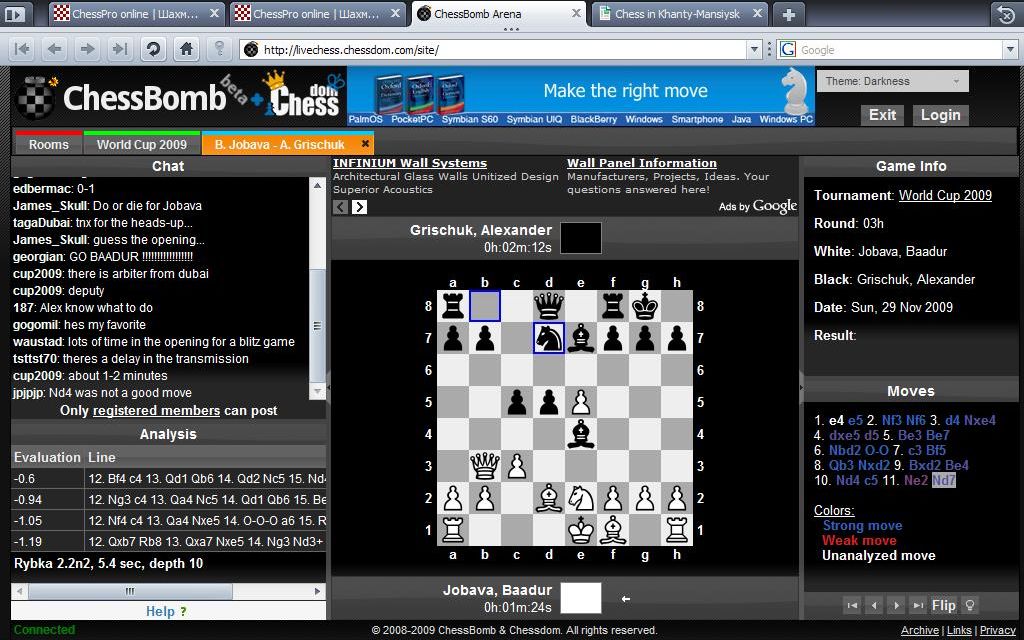
Credits: from ChessPro forum (source)
The following morning I would read the experts’ analyses. The tournament featured the notes of GMs Sergei Shipov and Konstantin Landa, whose style was very enjoyable and quite sharper than what one would expect from official commentators.
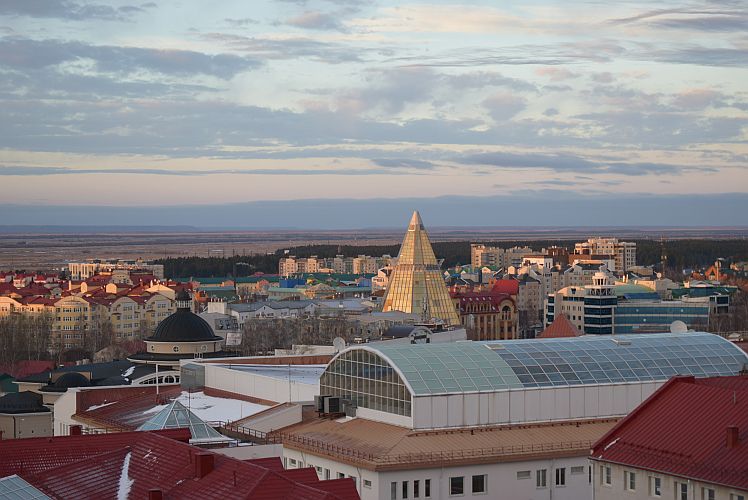
The second round of the World Cup brought fewer sensations than the first one — most underdogs already busted and returned home.
Well, it’s certainly okay with me — I prefer observing games between strong players!
Konstantin Landa1
Instead of analyzing full games, the GMs would pick a handful of interesting moments. This post is dedicated to the one that stayed in my memory the most: it took place in the first round, between the Ukrainian legend Vasyl Ivanchuk and a promising South African FM, Henry Robert Steel.
The game was about to end. Steel’s King was on the ropes and there were many winning moves for White, but Ivanchuk chose the most beautiful one. Helpmate in two: you can try to find it and then click on the ‘?’ to check if you guessed right2, or read the solution below.
Here’s what happened, in Sergey Shipov’s words3:
49.Qxd6! Another joke of the genius.
49…Nxd6! That’s right, one has to lose with dignity. Besides, one can live a lifetime without capturing a single queen from Ivanchuk, so you don’t want to miss a chance.
50.f7#.
It might not be the deepest piece of analysis, but it helped me to understand the spirit of chess fights. With his losing move, Steel earned himself a mention on the day’s bulletin and a commendation: a good result for the second-lowest rated player among the 128 participants. Ivanchuk ended up winning third place, which made him one of the eight Candidates to the title of World Champion.
Credits: CC-BY-SA-4.0, by Wikimedia Commons user “Ygraxanty” (source)

Year 2011 does not seem like prehistory to me, but it’s impressive how few of that chess era remains.
Chessbomb has been closed down, and even screenshots showing its interface and community are extremely hard to find. For sites with dynamic content, even the Internet Archive is of limited help. No other chess site offers color-coded evaluation and default multi-PV analysis, nor a chat as wild as Chessbomb’s. Its disappearance was a bad loss for the diversity of online chess sites, and was topped up by the closure of Chess24 and its excellent board viewer.
Henry Robert Steel reached 2415 Elo points in 2012, but did not manage to improve his rating past that point, nor to qualify for the World Cup again. In 2014 he was promoted to IM and represented South Africa at the Chess Olympiad for the fourth and final time; after that – he was only 25 year old at the time – his Wikipedia page does not list any achievement.
GM Konstantin Landa died in 2022, at only 50 years of age. GM Sergey Shipov, now 60 years old, is still active both as player and as commentator, especially with his site Crestbook. However, he only publishes content in Russian language. He is not very famous in the West, and his declarations justifying the invasion of Ukraine4, which costed him an investigation by the FIDE, surely did not help his popularity.
Credits: CC-BY-SA-4.0, by Wikimedia Commons user “Vysotsky” (source)

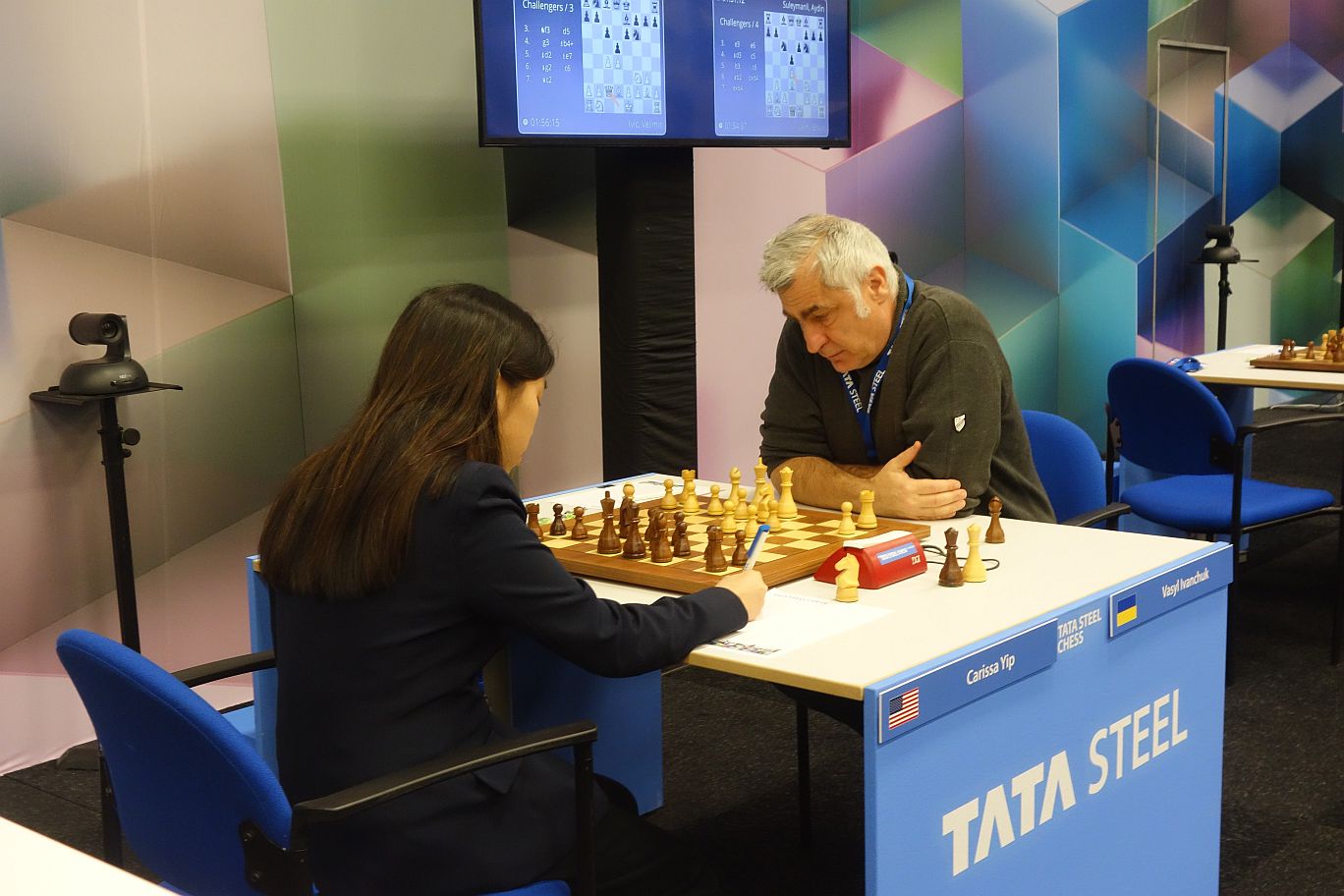
The character who best stood the test of time is, surprisingly, the oldest one. Vasyl Mykhailovych Ivanchuk, born 1969, has never stopped playing. Maybe he is no more the superhuman player who could impress even Kasparov, but he is still an extremely strong competitor and takes part in official tournaments almost every month, at an age where almost all other professional players have retired. His love for the game, creativity and unique personality make him a beloved figure.
We can then close this post with some fresh news: just this week the Saint Louis Chess Club has added Ivanchuk to their “World Chess Hall of Fame”: a tribute to an exceptional career which, let’s hope!, still has many pages to be written. I wish all of you readers the same amount of passion and longevity, whatever your endeavours might be.